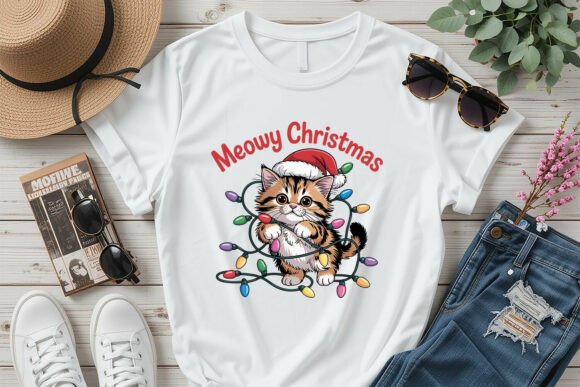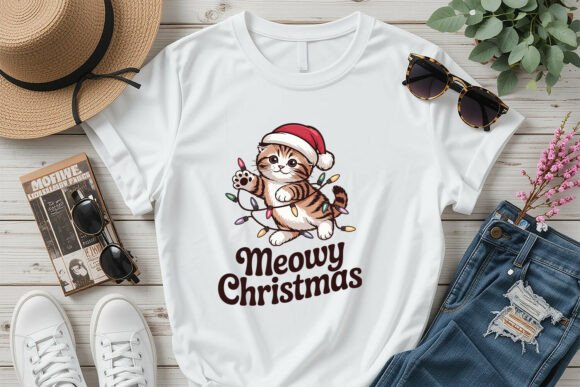
Meowy Christmas Winter Cat SVG Review
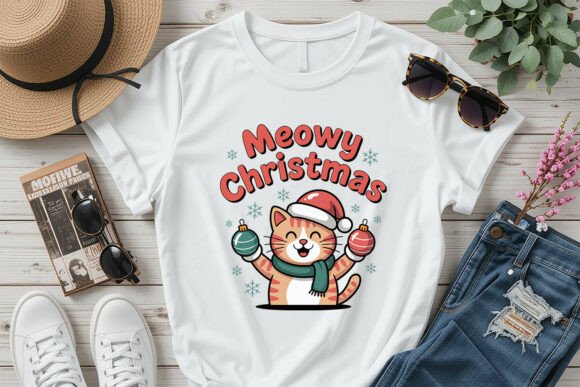
When the holiday season hits, the pressure is on to deliver unique, cozy, and charming designs that stand out in a crowded market. As a designer who has spent years testing embroidery files for both personal projects and client work, I know that a pretty picture doesn't always translate into a clean stitch-out. Recently, I put the Meowy Christmas Winter Cat SVG to the test to see if it holds up in a real-world commercial setting. The description promises a smiling kitty with snowflakes and ornaments perfect for cozy crafts, but does it deliver on quality and versatility? After running several tests on different fabrics and products, here is my honest assessment.
The First Impression: Mood and Visual Personality
At first glance, this design captures exactly what people want from winter-themed apparel. It isn't just a generic snowflake pattern; the inclusion of a smiling cat immediately adds a layer of personality that resonates with buyers. The layout feels balanced, with the central figure surrounded by decorative elements like ornaments and snowflakes that frame the image without overwhelming it. This kind of visual hierarchy is crucial for embroidery because it guides the eye and ensures the focal point remains clear even after stitching.
The theme is undeniably festive yet approachable. Unlike some holiday designs that feel too busy or overly traditional, this one strikes a modern, playful tone. It creates a mood of warmth and comfort, making it an ideal candidate for holiday embroidery projects where the goal is to evoke feelings of home and coziness. For small business owners looking to create handmade product lines, this design offers a strong emotional hook that can drive engagement on platforms like Etsy or at craft fairs.
Real-World Application: From Screen to Stitch
To truly evaluate the Meowy Christmas Winter Cat SVG, I moved beyond the digital mockup and started stitching. My primary use case was creating custom embroidered tote bags and sweatshirts for a boutique holiday collection. The design's structure proved quite adaptable. On a sturdy canvas tote bag, the satin stitches held their shape beautifully, creating a crisp outline that popped against the fabric texture. The fill stitches within the cat's fur area provided good coverage without becoming too dense, which is often a risk with animal designs.
I also tested the file on baby clothing, specifically soft cotton onesies. Here, the design's moderate detail level shined. It wasn't so intricate that it became stiff against a baby's skin, nor was it so simple that it looked cheap. The snowflakes and ornaments added just enough sparkle to make the item feel special as a personalized gift. When I stitched it onto a pillow cover, the composition worked well as a centered motif, allowing the surrounding fabric to breathe. This versatility suggests that the embroidery file is a solid asset for anyone producing small shop product lines ranging from kitchen towels to nursery decor.
However, not every surface is a winner. When I attempted to place the design on a curved cap, I had to be careful with the placement. While the design itself is manageable, the curvature of the hat required precise hooping to avoid distortion. For custom apparel like fitted t-shirts, the design sits flat and looks professional, but on stretchy knit fabrics, I recommend using a high-quality stabilizer to prevent puckering. The finished product maintained its integrity, but only when the right support materials were used.
Where Caution is Required
While this design is versatile, there are specific scenarios where you should proceed with care. If you are working with very small hoop sizes, such as those used for delicate jewelry or tiny patches, you might lose some of the finer details in the snowflakes and ornament textures. In these cases, the design could look muddy or cluttered rather than crisp.
Textured fabrics present another challenge. On heavily textured materials like bouclé wool or rough burlap, the definition of the cat's features might get lost. Similarly, thin or sheer fabrics require extra stabilization to handle the density of the stitches. Dark fabrics can also pose a visibility issue depending on your thread choice; while white or light threads pop well, darker threads might blend into the background unless you use a contrasting underlay or specific color combinations.
Additionally, items that undergo frequent washing, such as aprons or kitchen towels, need to be evaluated for durability. While the design looks great initially, ensuring the stitch density is appropriate will help it withstand repeated laundering without fraying or losing shape. Always inspect the design for any potential weak points before mass-producing these items.
Impact on Brand Value and Customer Trust
In the world of Etsy sellers and creative entrepreneurs, the quality of your finished product directly impacts customer trust. A poorly executed design can make a brand look amateurish, whereas a clean, well-stitched piece elevates the perceived value. The Meowy Christmas Winter Cat SVG has the potential to enhance your brand consistency. Its clean lines and cheerful aesthetic align well with businesses focused on cute, seasonal, and family-oriented themes.
When customers receive a personalized gift or a boutique item featuring this design, the clarity of the embroidery signals professionalism. It shows that attention was paid to the details, which encourages repeat purchases and positive reviews. Furthermore, the design's adaptability allows for creative marketing strategies. You can use printable mockups to showcase the design on various items, helping potential buyers visualize how it would look in their own homes or wardrobes. This visual storytelling is key to driving sales in the craft business.
Practical Notes for Designers
Before you commit to a large production run, there are essential steps every designer should take. First and foremost, test the design on scrap fabric that matches your final material. This allows you to check the thread colors and ensure they contrast effectively with the background. If you are unsure about the color palette, try converting the design to black and white in your software to see how the shapes hold up without the distraction of color.
Review the stitch density carefully. High-density areas can cause fabric to pucker, especially on lighter materials. If the design seems too heavy, consider adjusting the settings or choosing a lighter stabilizer. Confirming the hoop size is also critical; ensure your machine can accommodate the design dimensions without cutting off any edges. If the design includes small lettering or intricate corners, zoom in during the digitizing review phase to ensure they will stitch clearly.
Finally, do not overlook the legal aspects. Before selling finished items or offering the digital embroidery file as a download, confirm the licensing terms. Some designers restrict commercial use or require attribution. Understanding these rules protects your commercial embroidery business from potential issues down the line. Also, compare the design against other assets in your library to ensure it fits your overall style guide.
Ultimately, the Meowy Christmas Winter Cat SVG is a strong contender for anyone looking to add a touch of whimsical holiday spirit to their portfolio. It balances charm with technical feasibility, making it suitable for everything from t-shirt designs to specialized embroidered patches. By following proper testing protocols and understanding the limitations of the medium, you can turn this digital asset into a profitable and beloved physical product.