I Love My Cat SVG PNG, Valentine s PNG, Review
As a designer who has spent years turning digital files into tangible stitched products, I approach every new download with a mix of excitement and skepticism. When I first opened the package for I Love My Cat SVG PNG, Valentine s PNG,, my immediate thought wasn't about the file formats listed in the description, but rather how this design would translate from a screen to a piece of fabric. It is easy to get caught up in the promise of a "digital download" that includes multiple formats like Ai, EPS, DXF, and SVG, but the real test happens when the needle hits the cloth.
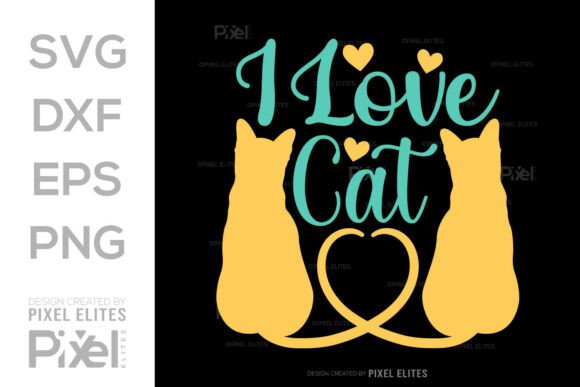
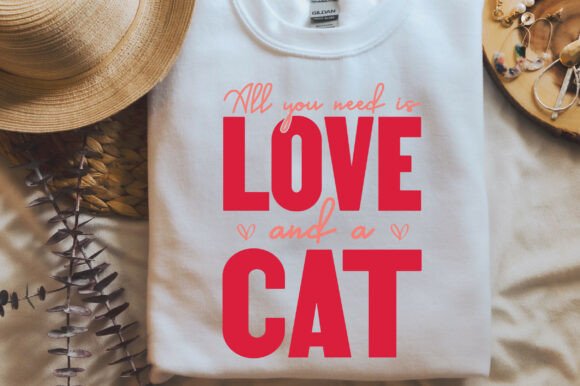
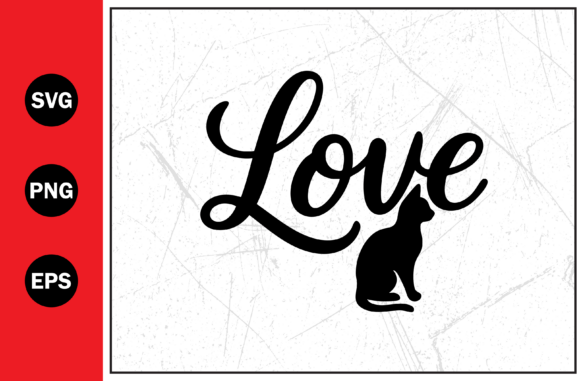
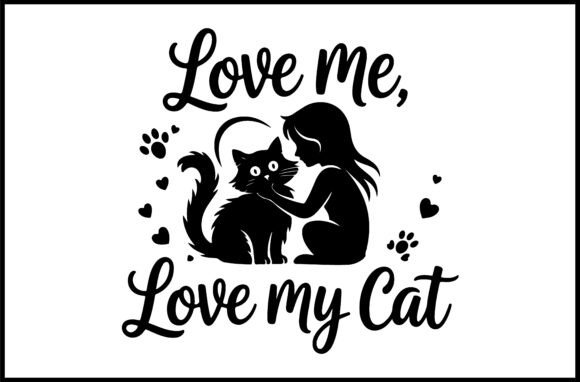
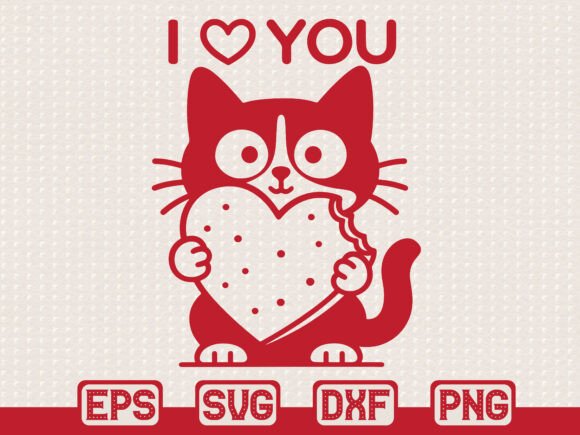
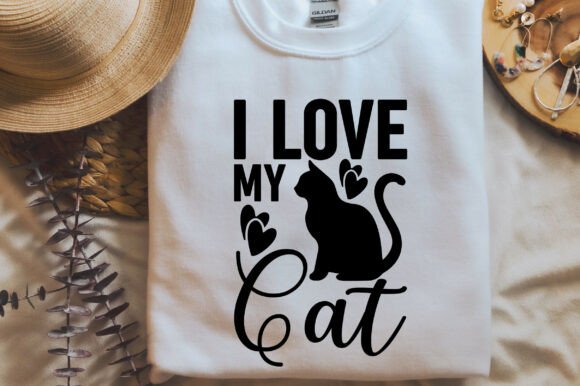
The theme of cat love combined with Valentine's Day sentiment creates an instant mood of warmth and playfulness. In the world of embroidery, where texture and stitch direction define the visual personality, this design feels like it belongs on soft, cozy items. It isn't just a graphic; it is a statement piece that suggests a personal connection. For anyone looking to create a handmade product that resonates emotionally, this design offers a strong starting point. The layout appears balanced, suggesting it could work well as a central focal point on a garment or accessory without overwhelming the viewer.
From Screen to Stitch: A Real-World Scenario
Let's imagine a practical scenario. You are preparing inventory for a boutique shop or perhaps a custom order for a client who wants a unique gift. You decide to use I Love My Cat SVG PNG, Valentine s PNG, to create a limited run of embroidered tote bags. This is a classic project for crafters and Etsy sellers because the canvas is forgiving yet durable. However, the transition from the flat digital image to the 3D reality of stitching requires careful planning.
When I visualize this design on a canvas tote, the contrast becomes critical. If you choose a dark bag, the thread colors must pop against the background to maintain clarity. Conversely, on a light-colored bag, the design might need specific underlay stitches to prevent the fabric from showing through. The design's potential lies in its ability to turn a simple utility item into a personalized gift. Imagine a customer receiving a tote with this specific cat motif; it immediately signals a sense of humor and affection that generic store-bought items often lack. This emotional connection is what drives engagement in the handmade market.
However, not every surface is suitable. While a tote bag is ideal, applying this same design to a structured cap or a curved sweatshirt collar introduces challenges. Curved surfaces can distort the geometry of the design if the digitization isn't perfectly adapted for the curve. If the original file was created primarily for flat applications, you may find that the text or intricate details look slightly stretched when placed on a hat. This is why testing on scrap fabric is non-negotiable before committing to a final production run.
Navigating Fabric and Stitch Density
One of the most common pitfalls in embroidery is ignoring the relationship between stitch density and fabric texture. If I Love My Cat SVG PNG, Valentine s PNG, contains dense fill stitches, placing it on thin fabric like a t-shirt or a tea towel could cause puckering. The tension required to hold those stitches down might pull the fabric out of shape, ruining the professional look of the finished product. On thicker materials like denim or heavy cotton, the design will likely sit better, providing the necessary stability for the threads.
For small business owners selling custom apparel, understanding these limitations is vital for maintaining brand consistency. A poorly executed stitch job can erode customer trust faster than a bad design choice. If the design features tiny lettering or delicate corners, it might get lost in the weave of a textured fabric. In such cases, simplifying the design or adjusting the hoop size might be necessary. Always inspect the small details in your digitizing software before sending the file to the machine. Check whether the design works for both personal projects and commercial ventures, ensuring that the complexity matches the intended output.
Strategic Placement for Maximum Impact
The versatility of this design allows it to fit into various categories, from holiday embroidery to baby embroidery. On baby clothes, the softness of the material pairs beautifully with the gentle theme of the cat illustration. However, for baby items, safety and comfort are paramount. Ensure that the back of the embroidery is smooth and free of loose threads that could irritate sensitive skin. Using a proper stabilizer is essential here to keep the stitches firm without making the garment stiff.
If you are creating embroidered patches, the design needs to be self-contained. The edges must be clean enough to withstand the trimming process without fraying. This is where the quality of the initial vector file matters. Since the purchase includes an Ai and EPS file, you have the flexibility to adjust the outline or add a border if needed. But remember, adding too much detail to a patch can make it difficult to stitch cleanly, especially if the patch is meant to be small. Test the design in black and white mockups first to see if the shapes remain distinct without relying on color contrast alone.
Practical Notes for the Professional Maker
Before you hit the start button on your machine, there are several technical checks you must perform. First, verify the hoop size compatibility. If the design is larger than your standard hoop, you may need to re-digitize it or plan for multi-hoop setups, which increases production time. Second, review the thread colors. The digital preview might show vibrant hues that do not exist in your physical thread collection. Choose colors that offer high contrast against your chosen fabric to ensure the design stands out.
It is also crucial to confirm licensing terms. Just because you own the digital file does not automatically grant you the right to sell unlimited quantities of finished goods. Some licenses restrict commercial use or require attribution. Always read the fine print regarding commercial embroidery rights to avoid legal issues later. Additionally, compare light and dark fabric backgrounds to see how the design behaves. Sometimes a design looks perfect on white but disappears on gray, requiring a different thread palette or a change in stitch type.
Finally, consider the washability of the project. Items like aprons, kitchen towels, and frequently worn sweatshirt embroidery will undergo repeated washing cycles. Dense stitch areas can trap lint or water, leading to mold or discoloration over time. Use high-quality threads and ensure the stabilizer is removed completely after stitching. By paying attention to these details, you elevate the perceived value of your finished product.
In conclusion, I Love My Cat SVG PNG, Valentine s PNG, offers a charming foundation for a wide range of creative endeavors. Whether you are an experienced embroiderer or a hobbyist looking to launch a craft business, this design provides the emotional hook needed to connect with customers. By approaching it with a strategic mindset—testing fabrics, checking densities, and respecting the limitations of the medium—you can transform a simple digital file into a beloved, high-quality item. The key to success lies not just in the design itself, but in the care and precision you bring to its execution.