Funny Coffee Cat SVG Review
When I first opened the Funny Coffee Cat SVG file to prepare it for a real-world embroidery project, my immediate reaction wasn't about the technical specs or the file size. It was about the vibe. There is something undeniably charming about a design that combines the universal love of caffeine with the ubiquitous appeal of feline companions. As an experienced designer who has stitched hundreds of designs for clients and personal ventures, I look for more than just a cute image; I need to know if this graphic will translate well from a digital screen to a physical stitch.
This T-Shirt Designs bundle entry stands out because it feels ready for immediate application in a busy craft business. The layout suggests a playful mood that works perfectly for morning routines, coffee shop branding, or cozy home goods. Before I committed to stitching this onto a finished product, I had to run through the mental checklist that every professional embroiderer uses: Will the details hold up? Is the density appropriate? And most importantly, will my customers actually want to wear or use this?
From Screen to Stitch: First Impressions
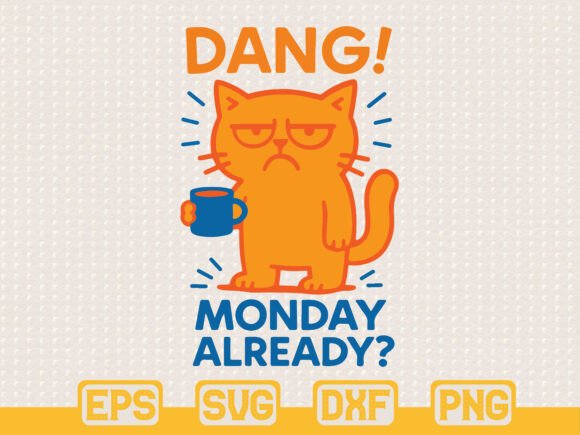
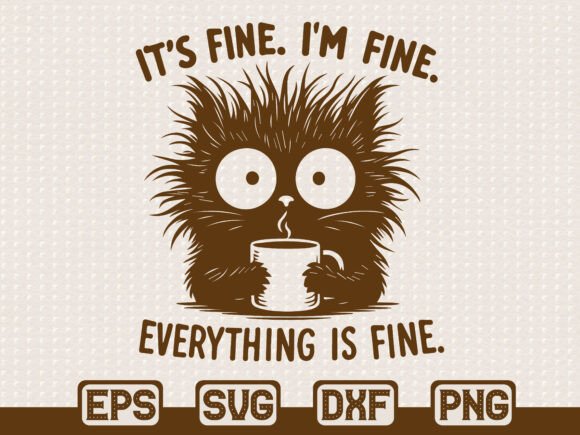
The visual personality of the Funny Coffee Cat SVG is its strongest asset. In the world of machine embroidery design, clarity is king. This design appears to have clean lines and a distinct shape that should separate well against various backgrounds. The theme of a cat enjoying a cup of coffee creates an instant connection with the target audience. It isn't just a picture; it tells a story about comfort, humor, and daily rituals.
For a designer looking to create custom apparel or handmade products, the initial assessment of the vector paths is crucial. The curves of the cat's ears and the steam rising from the mug need to be defined enough to avoid becoming a blurry mess in the final finished product. My gut feeling is that this design leans towards a medium level of detail, which is the sweet spot for most commercial applications. It avoids the trap of being too simple to be interesting or so complex that it requires hours of tedious hand-tweaking on the hoop.
Real-World Application Scenarios
To truly understand the value of this design, I imagined placing it in several different contexts where small business owners and Etsy sellers often struggle with execution. Let's say I am preparing a custom embroidered tote bag for a local coffee shop gift pack. The Funny Coffee Cat SVG would fit naturally here. A tote bag offers a flat, stable surface that is ideal for showcasing the full charm of the design. The contrast between the fabric texture and the thread colors would likely pop, creating a high-quality embroidery project that feels premium rather than mass-produced.
Consider another scenario: a holiday gift collection. During the winter season, buyers are looking for personalized gifts that feel warm and thoughtful. Embroidering this design on a soft sweatshirt or a cozy pillow cover could make for a standout item. The playful nature of the cat makes it perfect for holiday embroidery collections, appealing to both cat lovers and coffee enthusiasts. For an Etsy seller, this versatility means one design file can generate multiple revenue streams across different product categories.
I also visualized using this as a tote bag design for a boutique brand. The design acts as a subtle badge of identity. When a customer sees someone wearing a shirt or carrying a bag with this motif, they immediately recognize the shared interest in coffee culture. This recognition factor is vital for building brand consistency and increasing buyer engagement. It transforms a standard garment into a conversation starter.
Navigating Technical Challenges
However, not every surface is created equal, and the Funny Coffee Cat SVG requires careful consideration when applied to specific materials. If you are planning to use this on a curved surface like a baseball cap, you must be mindful of the distortion that occurs during the stitching process. The design needs to be sized appropriately for the hoop size available on your machine to prevent puckering.
Textured fabrics present another hurdle. While a cotton canvas tote might handle the satin stitch and fill stitch beautifully, a heavily textured fleece or a thin, stretchy knit could cause issues. On thin fabric, the density of the stitches might pull the material, leading to wrinkles that ruin the aesthetic. Similarly, on dark fabrics, the thread color choice becomes critical. If the design relies on white outlines or light details, they might get lost unless you select a high-contrast thread palette or add a stabilizing underlay.
Dense stitch areas are always a risk point. If the original digital embroidery file has large blocks of fill without proper spacing, the resulting embroidered patch or garment section might feel stiff and uncomfortable. For commercial embroidery intended for frequent washing, we need to ensure the design isn't too fragile. Tiny lettering or minute decorative accents often suffer the most in the wash, so verifying that these elements are robust enough is a step I would never skip.
Practical Notes for the Designer
Before you rush to load this design into your machine for your next craft business order, there are essential steps to take. First and foremost, test the design on scrap fabric. This is non-negotiable. You need to see how the stitch density interacts with your specific thread colors and fabric type. What looks good on a monitor might behave differently under the needle.
Review the stabilizer requirements carefully. Depending on whether you are working on a baby embroidery project (like a onesie) or a heavy-duty apron, the backing support will vary significantly. Using the wrong stabilizer can lead to misalignment or poor definition in the final output. Also, inspect the small details closely. Are the corners sharp? Is the hair texture on the cat legible, or does it merge into a blob? If you are unsure, try converting the design to a black and white mockup to check the silhouette integrity.
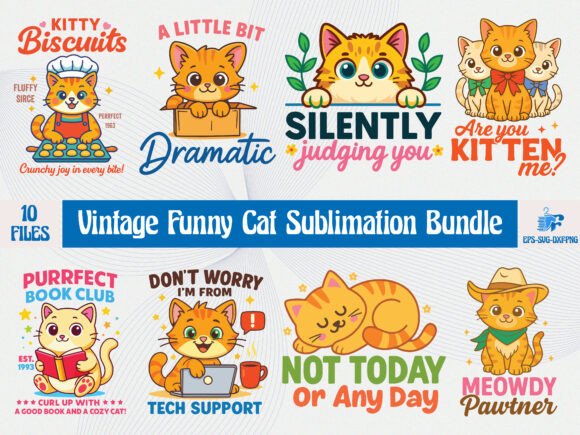
Another critical consideration is the licensing. The product description mentions this bundle is crafted for Print on Demand platforms like Merch by Amazon, Redbubble, Teespring, and Spreadshirt. However, for physical embroidery projects, especially those involving resale, you must confirm the terms of use. Does the license allow you to sell the finished product? Can you use it for personalized gifts? Clarifying these points protects your small shop product line from legal headaches down the road.
Final Verdict on Visual Appeal and Value
In conclusion, the Funny Coffee Cat SVG brings a fresh, lighthearted energy to any embroidery project. Its strength lies in its relatability and its potential to elevate a simple item into a desirable piece of merchandise. Whether you are creating design assets for a digital preview or stitching a unique applique design for a client, this graphic offers a solid foundation.
It enhances the perceived value of your work by adding a touch of whimsy that resonates with modern consumers. When done correctly, with proper attention to thread contrast and stabilization, it results in a professional presentation that builds trust. Customers appreciate the effort put into high-quality graphics that tell a story. By taking the time to test and refine the application of this design, you ensure that your handmade product stands out in a crowded market, turning a simple cat and coffee motif into a memorable brand element.
Ultimately, this design is a versatile tool for creative entrepreneurs. It fits seamlessly into apparel decorators' workflows and serves as a reliable option for digital product sellers looking to expand their catalog. With a bit of due diligence regarding technical execution, the Funny Coffee Cat SVG promises to deliver a result that is as delightful to make as it is to own.